Hedge Trimming in Canary Wharf

Hedge trimming in Canary Wharf should leave outdoor boundaries tidy, balanced and shaped for the setting they are in. We provide a practical trimming service for domestic and commercial outdoor spaces, helping hedges keep a neat outline, controlled growth and a finish that suits the rest of the planting. Whether the work is routine upkeep or a one-off tidy-up after a period of rapid growth, the aim is the same: clean cuts, sensible shaping and a result that looks intentional rather than rushed.
Our hedge trimming work can cover formal front boundaries, screening hedges, mixed planting edges and taller specimens that have begun to spread beyond their allotted space. We approach each job with attention to the hedge’s type, age and condition, because different plants respond differently to cutting. That means the work is not just about shortening growth; it is about supporting a healthy structure, maintaining density where needed and improving the overall appearance of the garden or premises.
For a straightforward discussion of what you need, and to request a quotation, you can start by looking through the service details below or by getting in touch when you are ready.
Regular hedge cutting for neat, controlled growth
Routine hedge cutting is often the best way to keep growth from becoming uneven, top-heavy or difficult to manage. A regular schedule can help prevent hedges from developing thick outer growth with bare inner sections, and it can also reduce the amount of corrective work needed later. In practice, that usually means trimming the sides, neatening the top and removing awkward shoots that spoil the overall line.
We can carry out hedge maintenance for a wide range of common garden and boundary hedges, with the level of reduction shaped by the plant itself and the condition it is in. Some hedges only need a light seasonal tidy, while others benefit from a more deliberate reshape. Our hedge trimming service is intended to provide that balance between appearance and plant care, so the finished hedge looks orderly without being cut back harder than necessary.
Useful things to consider before booking include the hedge’s current height, whether it needs only a trim or a fuller reduction, and whether access is clear along both sides. If you are comparing options, the key decision is usually whether the job is a maintenance cut or a corrective cut, as that affects both the method and the amount of time involved. A simple trim is not the same as a restoration cut.
Shaping, reduction and corrective trimming

Some hedges need more than a quick tidy. If growth has become wide, tall or uneven, trimming can be used to restore a cleaner outline and make the hedge easier to keep under control. This is especially relevant where the hedge is affecting paths, borders or the usability of an outdoor area. The work may involve reducing bulk, levelling the top, squaring sides or easing back sections that have grown ahead of the rest.
When a hedge has been left for a while, the best result often comes from measured reduction rather than over-cutting in one visit. That approach helps avoid an overly harsh look and gives the plant a better chance to retain healthy structure. For customers who want a wider view of what sits alongside trimming, garden maintenance can be a useful place to see how hedge work fits with other ongoing care tasks.
Where shaping is the goal, the finish should suit the hedge’s natural habit as well as the surrounding space. Formal hedges usually call for crisp lines and careful symmetry. Less rigid planting can be improved with a softer outline that still looks tidy. The important part is that the final form feels deliberate, not forced. In many cases, a well-shaped hedge improves the whole garden without drawing attention to the work itself.
Seasonal considerations and plant care

Different hedge varieties respond best to different timings and levels of cutting, so a responsible trimming service should take the plant into account before any work begins. Some hedges tolerate repeated light trimming, while others prefer fewer, more considered cuts. In addition, bird nesting periods and the hedge’s current condition can affect when and how the work is carried out. A careful approach helps support both appearance and longer-term plant health.
There is also a practical difference between trimming to maintain size and cutting back to recover a hedge that has grown too far. The former keeps the hedge compact with less disruption. The latter may expose thicker stems or less dense areas, which can change how the hedge looks for a period of time. If you are planning wider outdoor improvements as well, landscape gardening can sit alongside hedge work where borders, paths and planting all need attention.
What affects the work most often is hedge species, access, existing height, thickness and whether cuttings need clearing away from a confined area. Because of that, a sensible quotation usually depends on a proper understanding of the hedge rather than a simple estimate by size alone. Good trimming is tailored to the hedge in front of us. That helps avoid unnecessary cutting and keeps the finish consistent across the whole line.
Hedge trimming for homes and managed properties
Hedge trimming can serve very different settings, from private gardens to shared outdoor spaces around managed properties. In a home garden, the emphasis is often on keeping edges neat, preserving privacy and preventing hedges from dominating other planting. Around commercial or communal spaces, the focus may lean more towards presentation, clear sightlines and keeping routes or frontage areas orderly.
Our service is intended to be flexible enough for both types of setting. Some properties need regular maintenance at modest heights; others have larger, more prominent hedges that need a more structured trim to stay manageable. If the hedge is part of a broader site plan, our services overview can help place hedge trimming within the wider range of outdoor work available on the website.
In every case, the most useful result is one that fits the location. A front hedge that frames an entrance may need clean edges and a consistent top line. A screening hedge may need a finish that keeps it dense and reliable rather than merely short. The exact method depends on what the hedge is meant to do, and that should guide the trimming rather than a one-size-fits-all style.
Planning the work and preparing for a quotation

When requesting a quotation, it helps to think through the hedge itself and the access around it. The most useful details are the hedge’s approximate length, whether it is one-sided or accessible on both sides, and whether the work is a simple maintenance trim or something more involved. If there are gates, narrow side passages or uneven ground, those details can also matter because they influence how the work is carried out.
It is also sensible to mention any parts of the hedge that need extra care, such as areas close to walls, boundaries or planted beds. That allows the trimming to be planned with a steadier finish in mind. For customers who want to compare options or budget for different levels of work, pricing and quotes is the most relevant page for understanding how enquiries are handled alongside the service itself.
Simple preparation can make the process smoother: clear obvious obstacles where possible, make access available and note any sections that are especially dense, tall or awkward. That does not mean the job needs to be over-prepared. It simply gives a clearer picture of the hedge, so the quotation reflects the actual work rather than a rough guess. When you are ready, send over the basics and ask for a quotation.
Related outdoor work that can sit alongside hedge trimming
Some customers only need hedges trimmed, while others want the surrounding garden to look equally tidy. In those cases, hedge work may be paired with other straightforward outdoor tasks so the finished result feels consistent rather than piecemeal. That might involve cutting back areas that spill into borders, reducing overgrowth at garden edges or dealing with broader upkeep that affects the whole look of the space.
Where a site has several elements to manage, it can be helpful to consider the hedge as part of the wider maintenance picture. Garden clearance may be relevant if there is a build-up of cut material, old growth or general clutter to remove alongside trimming. If the setting also needs regular lawn care, lawn mowing can complement a hedge tidy by keeping the lower levels of the garden equally presentable.
We keep the emphasis on practical, visible results. That means focusing on what actually improves the space: cleaner lines, safer access where needed and a neater overall impression. Not every garden needs the same combination of tasks, so the best approach is often to identify the few jobs that will have the greatest effect and avoid unnecessary extras.
Choosing the right level of hedge care
Not every hedge should be treated the same way. A young hedge may need light formative trimming to encourage a strong structure, while an established hedge may need periodic reduction to stop it from widening too much. Mature, dense hedges can also require a slower and more careful approach so the finished shape remains even across the full length.
In many situations, the main decision is whether the hedge is being maintained or recovered. Maintenance work is usually lighter and more predictable. Recovery work may take more judgement because the hedge may have uneven growth, older wood or sections that have drifted beyond the desired size. If the hedge is part of a broader planting scheme, landscaping may offer related options for reshaping the outdoor area as a whole.
Our aim is to leave the hedge looking coherent, not merely shortened. That may mean aligning the sides, keeping the top level where appropriate and preserving the density that gives the hedge its purpose. When the hedge is trimmed with care, it supports the appearance of the whole frontage or garden instead of drawing attention to uneven growth.
About Canary Wharf
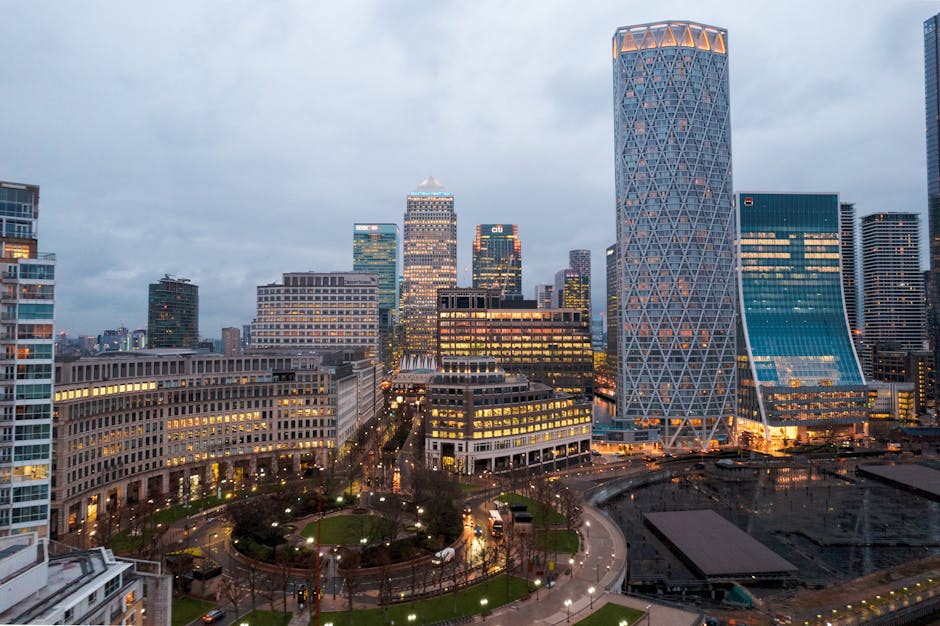
Canary Wharf is a major district in east London, positioned within the Isle of Dogs area of Tower Hamlets and known for its distinctive concentration of high-rise office towers, transport connections and waterside public realm. The area developed from the former West India Docks, where the historic docklands shaped the landscape for more than a century before large-scale redevelopment transformed the area in the late twentieth century. Remnants of the docklands history remain visible in the surrounding waterways, quays and place names, giving the district a layered character that combines old infrastructure with modern architecture. One of the most recognisable parts of Canary Wharf is the strong skyline of glass and steel towers, but the district also includes quieter routes, planted spaces and public squares that sit between the larger buildings. Its transport links, including the Underground, Docklands Light Railway and Elizabeth line, have made it one of London’s most connected business districts, while the surrounding waters and promenades provide a different pace from the commercial centre. The area is also closely associated with evolving waterfront regeneration, with retail, leisure and office uses integrated into a compact urban environment. As a result, Canary Wharf is widely understood not only as a financial centre but also as a modern riverside district with a distinct identity shaped by docks, development and movement.
Garden frontage care and finishing touches

Hedge trimming often works best when it is treated as part of the finished presentation of a garden or premises. A clean hedge edge can sharpen the appearance of entrances, paths and front boundaries, while a softer trim can help screening hedges sit more comfortably within a planted border. The important point is that the final look should support the rest of the outdoor space rather than compete with it.
Finishing matters. After the main cut, the hedge should read as one continuous shape with no obvious missed sections, heavy lumps or uneven overhangs. That attention to detail is especially useful where the hedge frames a route, boundary or focal point. If you want to review the broader scope of the business before making contact, about us gives more general background, while contact us is the direct next step when you are ready to ask for a quotation.
For a tidy, practical result in Canary Wharf, the best next step is straightforward: tell us what the hedge needs and request a quotation. Whether the job is routine trimming, shaping or a more corrective cut, we can help keep the hedge controlled and presentable.