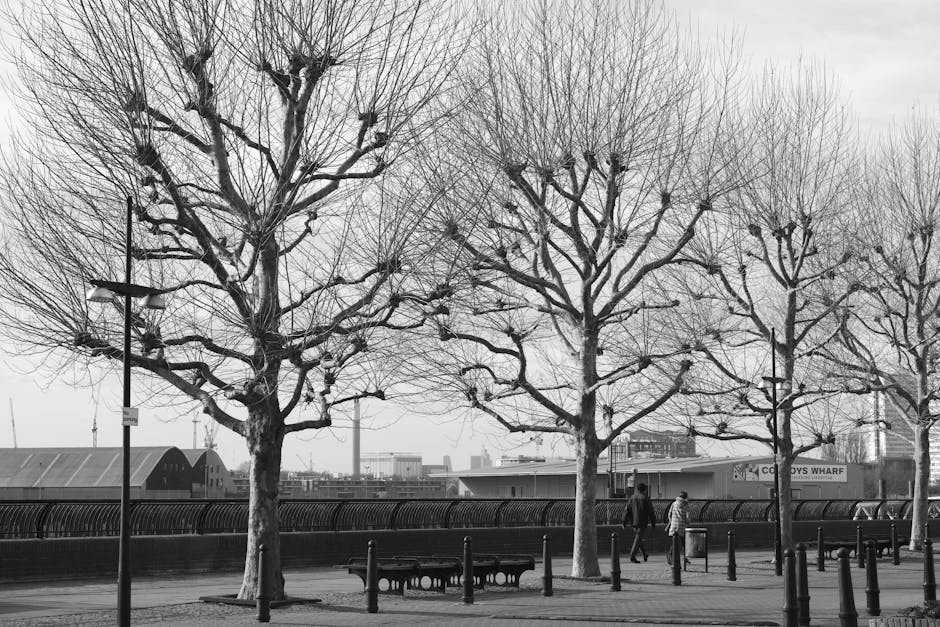
Tower Hamlets garden pruning rules for Canary Wharf gardeners: a practical local guide
If you garden in Canary Wharf, pruning can feel straightforward right up until the moment you realise you are dealing with neighbours, communal spaces, leasehold rules, overhanging branches, and the general reality of London living. Tower Hamlets garden pruning rules for Canary Wharf gardeners are not just about cutting things back neatly; they are about doing the job safely, keeping plants healthy, and avoiding awkward disputes over boundaries, access, and waste. Truth be told, a tidy prune in the wrong place can cause more headaches than an overgrown shrub ever did.
This guide explains what matters, how pruning usually works in Tower Hamlets, and how to approach the job in a way that is sensible, local, and professional. Whether you are a homeowner, a tenant, a landlord, or responsible for a communal garden in and around Canary Wharf, you will find practical steps, common mistakes, and a realistic checklist you can actually use.
If you are planning broader garden maintenance alongside pruning, it can also help to look at garden maintenance services or, if you need a more hands-on tidy-up, garden clearance services to keep everything on one sensible schedule.
Table of Contents
- Why Tower Hamlets garden pruning rules for Canary Wharf gardeners Matters
- How Tower Hamlets garden pruning rules for Canary Wharf gardeners Works
- Key Benefits and Practical Advantages
- Who This Is For and When It Makes Sense
- Step-by-Step Guidance
- Expert Tips for Better Results
- Common Mistakes to Avoid
- Tools, Resources and Recommendations
- Law, Compliance, Standards, or Best Practice
- Options, Methods, or Comparison Table
- Case Study or Real-World Example
- Practical Checklist
- Conclusion
- Frequently Asked Questions
Why Tower Hamlets garden pruning rules for Canary Wharf gardeners Matters
Pruning sounds like a purely horticultural job, but in a dense part of London it quickly becomes something else too. In Canary Wharf and the surrounding Tower Hamlets area, gardens are often close together, shared, overlooked, or attached to apartments and managed buildings. That means the way you prune can affect safety, privacy, appearance, access routes, and even property relationships.
There is also the practical side. Bad pruning can weaken shrubs, expose plants to wind scorch, and trigger messy regrowth that looks worse than the original problem. A rushed cut in late spring, for example, can strip out blossoms for the whole season. And if you are dealing with climbing plants, boundary hedges, or larger trees, there may be additional obligations connected to ownership, consent, or conservation concerns. Not glamorous, I know. Still important.
For many Canary Wharf gardeners, the key issue is balance: keeping growth under control without creating damage, noise complaints, or avoidable disputes. The more built-up the setting, the more planning matters. You are not simply trimming a border; you are managing a shared environment.
How Tower Hamlets garden pruning rules for Canary Wharf gardeners Works
There is no single "one-size-fits-all" pruning rule that applies to every plant and every property. Instead, the practical approach in Tower Hamlets tends to come from a mix of gardening best practice, property boundaries, landlord or lease conditions, local planning considerations, and common-sense neighbourly conduct.
In simple terms, the process usually works like this:
- Identify the plant type and its growth habit.
- Check whether it belongs to you, your neighbour, or a shared area.
- Confirm whether the work is simple maintenance or something more sensitive, such as major reduction or tree work.
- Choose the right season for the plant and the job.
- Make clean, controlled cuts using suitable tools.
- Dispose of arisings properly and safely.
That sounds basic, but each step matters. For example, a hedge trim is generally very different from reducing a mature tree that overhangs a communal path. A small fruit tree in a private courtyard is not the same as a mature ornamental tree visible from several flats. In London, little distinctions like this can affect what you do next.
If your garden is part of a larger property portfolio or shared block, it may be worth pairing pruning with tree pruning services or, where shape and growth control are a concern, hedge trimming services. That keeps the work consistent rather than piecemeal.
Key Benefits and Practical Advantages
Good pruning is not just about neatness. Done properly, it gives you several practical benefits that are easy to notice once you know what to look for.
- Healthier plants: removing dead, damaged, or crossing growth can improve airflow and reduce disease pressure.
- Better shape and structure: thoughtful cuts encourage a plant to grow in a stronger, more balanced way.
- Safer outdoor spaces: branches kept clear of walkways, entrances, lights, and sightlines reduce minor hazards.
- Less neighbour friction: tidy boundaries and managed overgrowth reduce complaints and awkward conversations.
- Cleaner appearance: in a polished area like Canary Wharf, presentation matters more than people sometimes admit.
- Lower long-term workload: regular pruning usually means less drastic cutting later, which is better for the plant and easier for you.
There is a quiet advantage too: gardens feel more usable. A space that was once crowded and a little untamed can suddenly breathe. You hear more birds, see more structure, and the whole place stops feeling like a job left half-finished.
Expert summary: The best pruning in Tower Hamlets is usually the least dramatic pruning that still solves the problem. Clean cuts, the right timing, and respect for boundaries often matter more than heavy-handed reduction.
Who This Is For and When It Makes Sense
This guidance is useful for a fairly wide mix of people, and in Canary Wharf that mix can be surprisingly varied. Some people have compact private gardens or roof terraces. Others manage shared courtyards, planted podiums, or small front and rear plots attached to flats and townhouses.
It is especially relevant if you are:
- a homeowner trying to keep shrubs, climbers, or small trees under control
- a tenant responsible for routine garden care under your tenancy agreement
- a landlord or managing agent organising maintenance for a rental property
- looking after a communal garden, shared boundary hedge, or courtyard planting
- dealing with overhanging growth near paths, fences, windows, or parking areas
- planning seasonal tidy-ups before spring, summer, or the darker winter months
It makes sense to think about pruning when plants are becoming leggy, blocking light, leaning into paths, or starting to dominate the space. It also makes sense before nesting season, before a property inspection, or before guests, events, or a sale. And yes, sometimes the trigger is simply that the view from the kitchen has become a wall of leaves and one slightly dramatic rose cane.
If your project is broader than pruning alone, you may want to combine it with garden tidy up services or landscaping services where shaping, clearing, and rebalancing the space all matter at once.
Step-by-Step Guidance
Here is a sensible, local-first way to approach pruning in Tower Hamlets without making things harder than they need to be.
1. Start with an honest look at the plant
Before touching a branch, step back. Is the plant overcrowded, damaged, top-heavy, or just untidy? Are there dead stems, crossing branches, or growth pushing into a path? That first look often saves you from overcutting.
2. Check ownership and boundaries
This is where many problems start. If a shrub or tree straddles a boundary, do not assume you can cut anything you like. If the plant is in a shared space, there may be building rules or management instructions. If you are in doubt, pause and confirm before you begin.
3. Choose the right time of year
Different plants respond best at different times. Spring-flowering shrubs are often pruned after flowering, while many summer-flowering and dormant-season tasks can be scheduled later in the year. For trees, timing becomes more sensitive. A poor seasonal choice can reduce flowers, fruit, or the plant's ability to recover well.
4. Use the right tools
Sharp secateurs, loppers, pruning saws, and hedge trimmers each have their place. A blunt blade crushes stems rather than cutting them cleanly, and that is how you end up with ragged wounds and slower recovery. Keep tools clean too. It sounds fussy, but it really does help.
5. Make selective, clean cuts
Prune with a purpose. Remove dead wood first, then diseased or crossing growth, then shape the plant gradually. Avoid hacking back everything at once unless you are working with a species that tolerates that approach. Even then, restraint usually pays off.
6. Step back frequently
This is the bit people skip. After a few cuts, stop and look again. In a small urban garden, a couple of extra cuts can change the whole feel of a planting area. Better to take three passes than to fix a cut you wish you had not made.
7. Clear away waste properly
Do not leave prunings piled on the pavement, in communal walkways, or in damp corners of the garden. Tie, bag, chip, or remove them promptly. In a compact area, neat waste handling is part of the job, not an afterthought.
8. Water and observe
After pruning, especially in warm or breezy periods, watch the plant for stress. A good prune should look tidy, yes, but it should also set the plant up to recover strongly. If you notice dieback or unusually weak regrowth, something was probably cut too hard or at the wrong time.
Expert Tips for Better Results
Small choices make a big difference in pruning. These are the things experienced gardeners tend to keep in mind, especially in tighter London settings.
- Prune for structure, not just size. Reducing bulk is useful, but improving the framework of the plant matters more in the long run.
- Think about light and airflow. In shadowed courtyards and narrow spaces, opening a plant up a little can help more than sheer height reduction.
- Never make a panic cut. If a branch looks awkward, take a minute. Most pruning mistakes come from rushing.
- Use the plant's natural line. A cut that follows the plant's shape usually looks better and recovers better.
- Be cautious with hard reductions. Some species handle them well, but others respond with dense, weak regrowth. That is not a win.
- Keep communal expectations in mind. In shared spaces, neatness and timing matter almost as much as technique.
One simple habit helps a lot: take a quick photo before you start. It gives you a reference point and makes it easier to see whether you are improving the shape or just changing it. A bit old-school, maybe, but handy. Especially when the light is awkward and your eyes are fooling you at 4:30 in the afternoon.
If you need ongoing care rather than one-off pruning, regular lawn care services can be paired with pruning so the whole garden stays visually balanced, not just the shrubs.
Common Mistakes to Avoid
Most pruning problems are not dramatic disasters. They are little misjudgements that add up. The good news? They are easy to avoid once you know what to watch for.
- Cutting at the wrong time of year: this can remove flower buds or stress the plant.
- Overpruning: taking too much off at once can shock shrubs and trees.
- Using dull or dirty tools: this damages tissue and can spread disease between plants.
- Ignoring ownership or access issues: especially common in boundary planting and shared gardens.
- Leaving stubs: ugly cuts can die back and invite trouble.
- Trying to force a hedge into shape too quickly: repeated harsh trimming can leave gaps and weak sides.
- Forgetting disposal: green waste left around becomes a mess surprisingly fast, especially after rain.
Another subtle mistake is trying to prune every plant the same way. A rose, a laurel, a hydrangea, and a small ornamental tree all have different needs. Treating them as interchangeable is where things go sideways.
Tools, Resources and Recommendations
You do not need a garage full of kit to prune well, but a few good tools make the work safer and cleaner. In a compact Canary Wharf garden, lightweight and precise tools are often better than oversized ones.
| Tool | Best for | Practical note |
|---|---|---|
| Secateurs | Small stems, deadheading, light shaping | Best when sharp and comfortable in the hand |
| Loppers | Thicker stems and awkward reaches | Useful for reducing strain on your wrists |
| Pruning saw | Woody branches too thick for secateurs | Clean cuts matter more than speed |
| Hedge trimmer | Formal hedges and repeated shaping | Great for finish work, less suitable for selective pruning |
| Gloves and eye protection | General safety | Worth having even for small jobs |
For larger or more awkward jobs, especially where access is tight or waste removal is a hassle, it can be worth bringing in professional help rather than wrestling with the plant all afternoon. A well-planned visit may also include shrub pruning services if the space has mature borders or heavily built-up planting.
A few practical recommendations:
- Keep blades sharp and wipe them down after use.
- Use lightweight bags or trugs for cuttings in smaller gardens.
- Wear clothes you do not mind snagging a bit. Pruning has a way of finding your sleeves.
- Keep a note of when you last pruned each plant, even if it is just on your phone.
Law, Compliance, Standards, or Best Practice
In Tower Hamlets, the practical side of pruning often sits alongside property rules, neighbour relations, and wider legal responsibilities. This section is not legal advice, but it does reflect the cautious approach most experienced gardeners and property managers take.
First, check whether the plant is actually yours to cut. Overhanging branches may create questions of access and ownership, and shared gardens may have management rules that go beyond ordinary household gardening. If a tree is large, protected, or part of a managed landscape, do not assume casual cutting is fine.
Second, be careful with nesting birds and wildlife. In the UK, common best practice is to avoid disturbing active nests or wildlife habitat. If you hear persistent activity, see nest material, or notice signs of nesting, it is wise to stop and assess before continuing. That small pause can save a lot of trouble.
Third, think about safety and workmanship. Use proper tools, do not overreach from unstable ladders, and do not create hazards in communal areas. In a place like Canary Wharf, where foot traffic and shared access are part of daily life, tidy working practice matters almost as much as the pruning itself.
Finally, for leasehold and managed buildings, compliance often means following building-specific instructions, planned maintenance windows, or approval routes. The exact process varies, so the safest move is to check before you cut hard, especially on anything woody or prominent.
Options, Methods, or Comparison Table
Different pruning approaches suit different goals. The right method depends on the plant, the setting, and how formal you want the result to look.
| Method | Best used for | Pros | Watch out for |
|---|---|---|---|
| Light maintenance pruning | Routine shaping and tidying | Low stress, easy to maintain | Can be too subtle if the plant is very overgrown |
| Selective pruning | Improving structure and reducing crowding | Better plant health and appearance | Needs a steadier eye and a little more time |
| Hedge trimming | Formal boundaries and neat edges | Fast, tidy finish | Can miss interior problems if used alone |
| Reduction pruning | Limiting size of shrubs or small trees | Helps manage space in urban gardens | Can look harsh if overdone |
| Restorative pruning | Very neglected shrubs or old planting | Can revive a tired plant | Best handled carefully, often in stages |
To be fair, many gardens need a mix of methods rather than one pure approach. A hedge may be trimmed on the outside, while a shrub beside it gets selective thinning and a small tree needs structural cuts. That mixed approach usually gives the most natural result.
Case Study or Real-World Example
A fairly typical Canary Wharf scenario goes like this. A resident has a small courtyard garden behind a flat. The space looks neat from a distance, but by midsummer the shrubs have started leaning into the path, the climbing plant has pushed across a fence line, and one compact tree is blocking half the light from the kitchen window.
The first instinct is to cut everything back hard. That would be a mistake.
Instead, the better approach is to identify the jobs separately. The climbing plant is lightly trained back to the support. The shrub is selectively thinned to open the centre and bring the line back from the path. The small tree is checked for crossing or weak branches and reduced only where appropriate, keeping the natural form intact. The waste is bagged and removed the same day, so the courtyard still feels usable in the evening rather than turning into a half-finished worksite.
The result is not just a tidier garden. The path feels wider, the light improves, and the whole place looks calmer. That is the real win. Not a dramatic before-and-after for the sake of it, but a garden that works better on a Tuesday morning when you are carrying coffee and trying not to bump into a wet branch.
Practical Checklist
Use this quick checklist before you prune:
- Identify the plant and confirm whether it is yours to cut
- Check for nesting birds, wildlife, or active growth you should avoid disturbing
- Decide whether the job is light shaping, reduction, or restorative work
- Choose the right season for the species
- Prepare sharp, clean tools
- Wear gloves and suitable eye protection
- Plan where cuttings will go before you start
- Work in stages and step back often
- Avoid cutting too hard in one go
- Clear debris from paths and shared spaces straight away
If you can tick all ten, you are usually in decent shape. If you cannot, slow down a bit. Gardening rewards patience more often than heroics.
Conclusion
Tower Hamlets garden pruning rules for Canary Wharf gardeners are really about combining good gardening with good judgment. In a busy part of London, that means respecting boundaries, choosing the right season, using proper technique, and keeping the work tidy from start to finish. The best pruning feels almost invisible afterwards: the garden simply looks healthier, lighter, and easier to live with.
If you remember only one thing, make it this: prune with a purpose, not in a panic. That approach will save you time, protect your plants, and keep neighbourly life a whole lot smoother.
Get a free quote today and see how much you can save.
And if you are standing in the garden right now, secateurs in hand, with that slightly unsure look people get before the first cut, take a breath. You do not need to make the perfect cut today. You just need to make the sensible one.
Frequently Asked Questions
What are the main pruning rules Canary Wharf gardeners should think about?
The main rules are practical rather than mysterious: confirm ownership, choose the right season, avoid disturbing wildlife, use clean tools, and work within any property or management restrictions. In a dense area like Canary Wharf, neighbour awareness matters too.
Can I prune a neighbour's overhanging branch in Tower Hamlets?
In principle, overhanging growth can raise boundary questions, but it is wise to check access, ownership, and any shared property arrangements before cutting. If the tree is large or sensitive, get advice before taking action. A quick conversation is often better than an awkward argument later.
When is the best time to prune shrubs in a London garden?
It depends on the shrub. Some flowering shrubs are best pruned after blooming, while others tolerate winter or early spring work better. The species matters more than a fixed calendar date, so identify the plant first.
Do Tower Hamlets garden pruning rules change for communal gardens?
Yes, communal gardens often involve extra layers such as lease conditions, building management instructions, or resident agreements. Even simple pruning can require coordination if the area is shared. Best not to assume.
Is heavy pruning allowed on small trees in Canary Wharf?
Heavy pruning may be possible in some cases, but it is not automatically a good idea. Small trees often respond better to selective structural cuts than to hard reduction. If the tree is prominent, mature, or potentially protected, take extra care before cutting back substantially.
How do I know if a plant is nesting habitat?
Look for active bird movement, nest material, repeated visits to the same spot, or signs of sheltering wildlife. If in doubt, stop and observe. It is better to delay pruning than disturb an active nest.
What tools do I actually need for routine pruning?
For most small gardens, a decent pair of secateurs, loppers, and gloves will cover a lot of ground. A pruning saw helps with woody stems, and a hedge trimmer is useful for formal hedges. Sharpness matters more than buying lots of equipment.
How much can I cut off without harming the plant?
There is no universal answer, because different plants tolerate pruning differently. As a rule, lighter and more selective cuts are safer than drastic reductions. If a plant is very overgrown, it is usually wiser to reduce it in stages.
Should I hire a professional for pruning in Tower Hamlets?
It makes sense if the plant is large, awkwardly placed, near shared access, or part of a managed property. Professional help is also useful when you want a cleaner finish or need the work done efficiently with waste removed. Sometimes paying for skill is the cheaper route in the end.
How often should Canary Wharf gardens be pruned?
That depends on the planting style and growth rate. Formal hedges may need regular trimming, while shrubs and small trees may only need attention once or twice a year. Fast-growing urban gardens often need more frequent light maintenance than people expect.
What if my garden is tiny and pruning makes it look bare?
That is common in compact London gardens. The answer is usually to prune more selectively and aim for structure rather than a hard reset. Small spaces can look stark after a big cut, so it is often better to take a little less off and reassess later.
Can pruning help with light and privacy at the same time?
Yes, if it is done thoughtfully. Opening up the centre of a plant can improve daylight without exposing the whole garden. A balanced prune can keep privacy while stopping the space from feeling boxed in.
What should I do with the cuttings after pruning?
Bag, compost, chip, or remove them promptly, depending on the volume and the type of waste. In communal or shared spaces, do not leave cuttings in walkways or against fences. Keeping the area clean is part of the job, not a finishing touch.